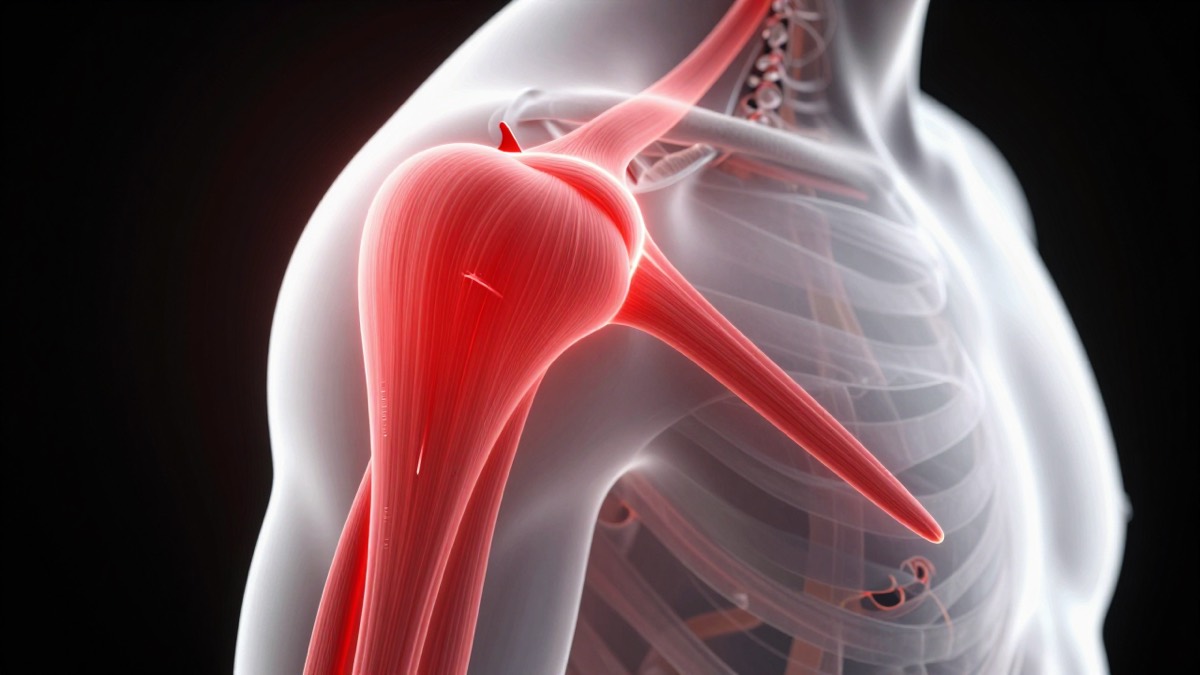
Frozen shoulder (adhesive capsulitis) makes the shoulder stiff and painful in every direction and usually goes through freezing, frozen and thawing phases over 1 to 3 years. It is more common in people with diabetes. A large UK trial (UK FROST, 2020) found early structured physiotherapy, manipulation under anaesthetic and keyhole capsular release gave similar results, with physiotherapy the least invasive.
Treatment
- Early (painful) phase: a cortisone injection into the joint helps pain; gentle movement
- Stiff phase: physiotherapy, stretching within comfort
- Hydrodilatation: stretching the capsule with fluid
- Surgery: manipulation or capsular release for persistent cases
- Regenerative injections are being explored for shoulder pain; see stem cells
Tendon pain for more than 3 months? Get the free guide and a doctor review of your scan.
The three phases
| Phase | Typical length | Main feature |
|---|---|---|
| Freezing | 2 to 9 months | Increasing pain, especially at night |
| Frozen | 4 to 12 months | Stiffness, less pain |
| Thawing | 6 months to 2 years | Movement returns |
Who gets it
Most often people aged 40 to 60, women more than men, and people with diabetes or thyroid disease.
Treatment options
- Regenerative injection to calm the inflamed capsule and surrounding tissues, without surgery
- Cortisone into the joint in the painful phase
- Physiotherapy within comfort
- Hydrodilatation
- Manipulation under anaesthetic or capsular release for persistent cases
Tendon pain for more than 3 months? Get the free guide and a doctor review of your scan.
Sleeping tips
Lie on the other side hugging a pillow, or on your back with a pillow supporting the arm.