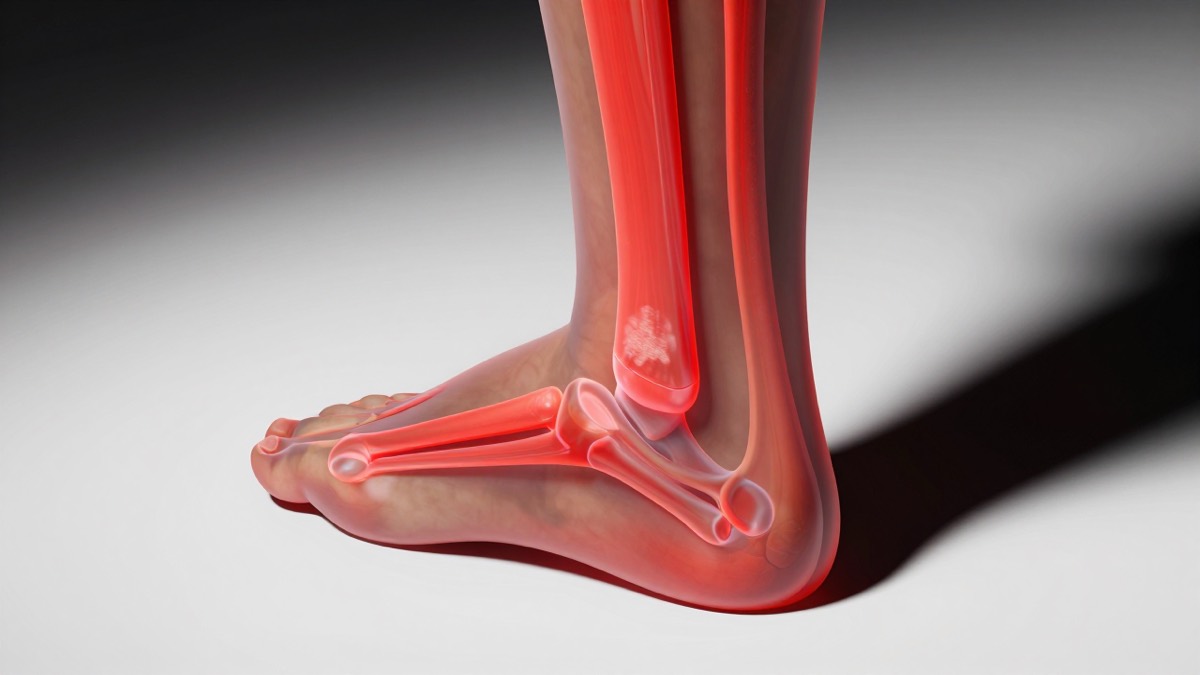
Plantar fasciitis causes pain under the heel, worst with the first steps in the morning, and most cases settle within a year with stretching, supportive shoes and insoles. Shockwave therapy helps some stubborn cases. Cortisone gives short-term relief but carries a small risk of fascia rupture and fat-pad thinning. Some trials found PRP gave longer-lasting relief than cortisone.
Treatment
- Calf and plantar fascia stretches, several times a day
- Supportive shoes, avoid flat shoes and barefoot walking
- Heel cups or insoles
- Night splint for morning pain
- Weight management
- Shockwave therapy after 3 to 6 months
- PRP for persistent cases
- Surgery is rarely needed
Tendon pain for more than 3 months? Get the free guide and a doctor review of your scan.
Symptoms
- Sharp pain under the heel with the first steps in the morning
- Pain after sitting, easing as you walk, then returning after long standing
- Tenderness at the front of the heel bone
Risk factors
Standing jobs, running, a sudden increase in walking, tight calves, flat or high-arched feet, and extra body weight.
Treatment options
| Option | What to know |
|---|---|
| Stem cell injectionRecommended | Regenerative option for long-lasting cases, without surgery |
| PRP | Some trials found longer relief than cortisone |
| Stretching and calf strength | Daily, first line |
| Supportive shoes and insoles | Take load off the fascia |
| Shockwave therapy | Good evidence for stubborn cases |
| Cortisone | Short-term; small risk of rupture and fat-pad thinning |
Tendon pain for more than 3 months? Get the free guide and a doctor review of your scan.
Daily routine
- Calf and foot stretches before getting out of bed
- Supportive slippers at home
- Roll the arch on a frozen water bottle for 5 minutes in the evening
How long it lasts
Most cases settle within a year; persistent cases often respond to shockwave or regenerative treatment.